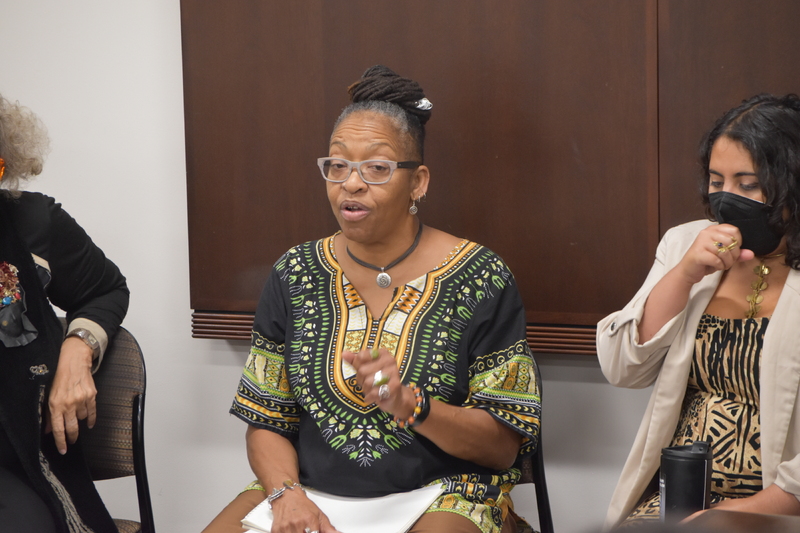
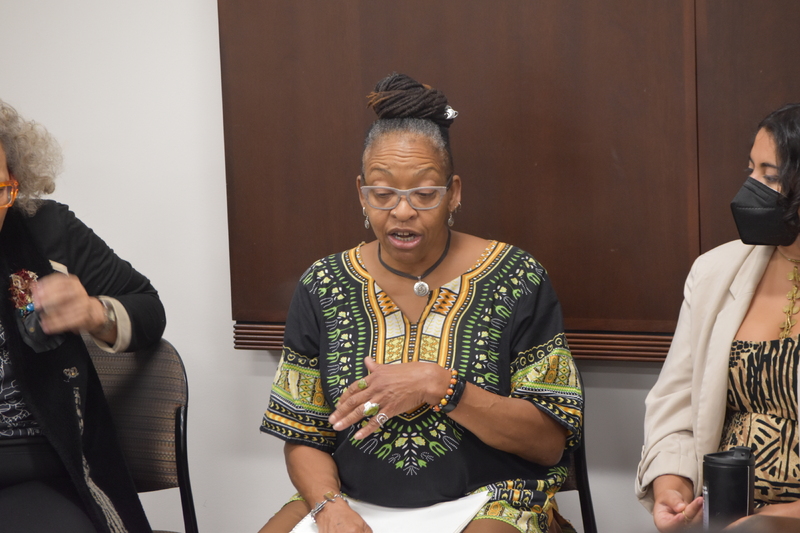
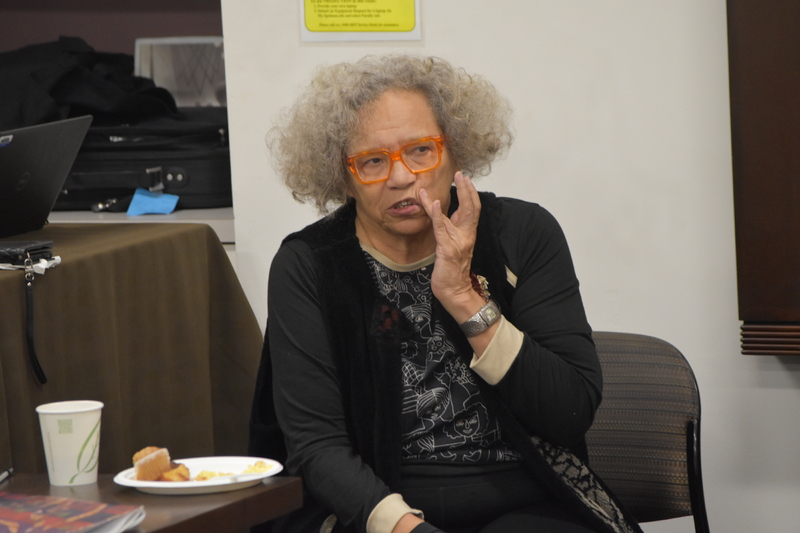
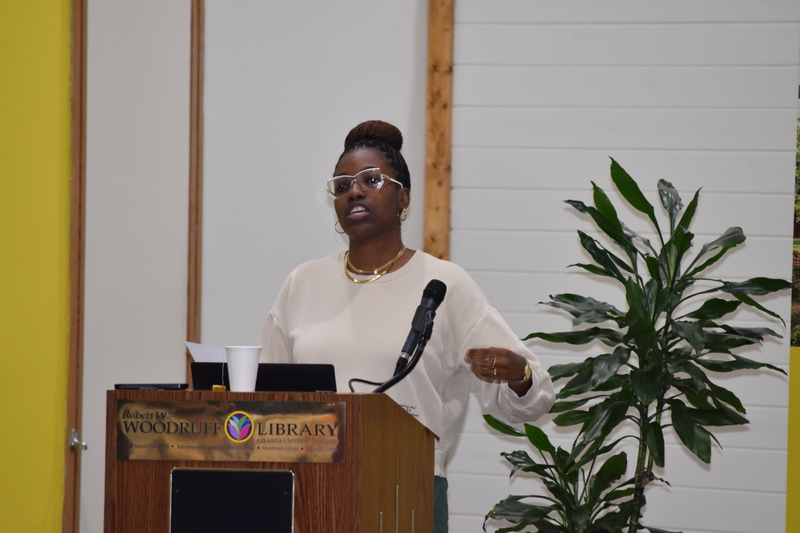
A cohort of six focused on building an educational resource geared toward building an ecosystem of care, including knowledge sharing and collaborative learning between a network of information professionals who have expressed an interest and commitment to ethically engaging with student organizers.
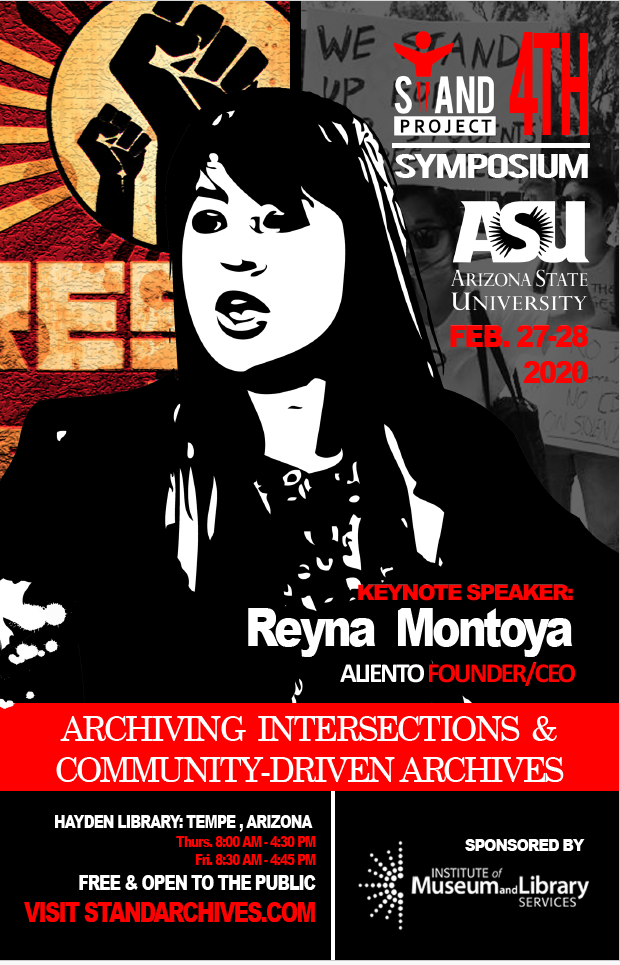
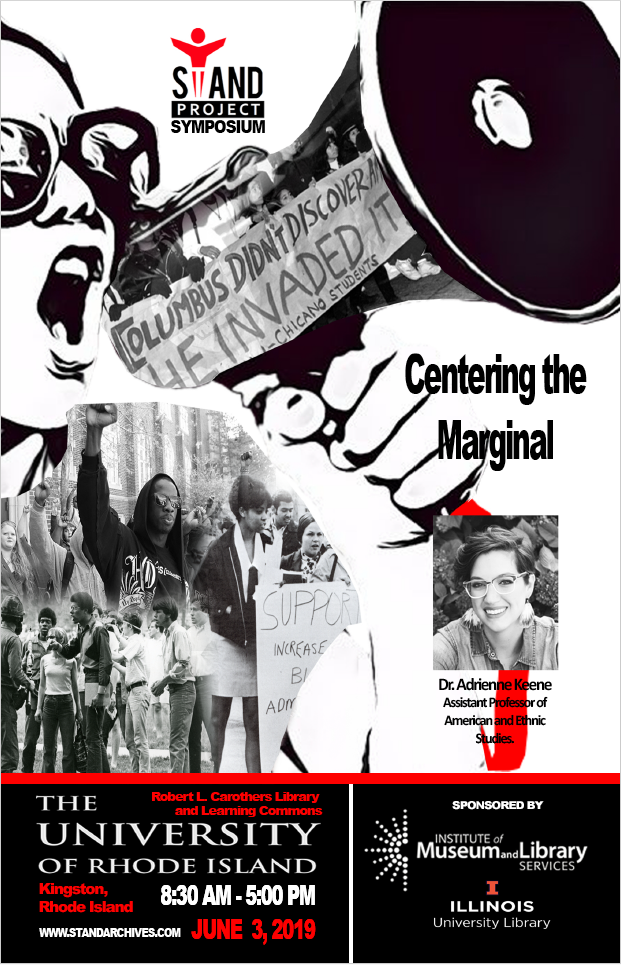
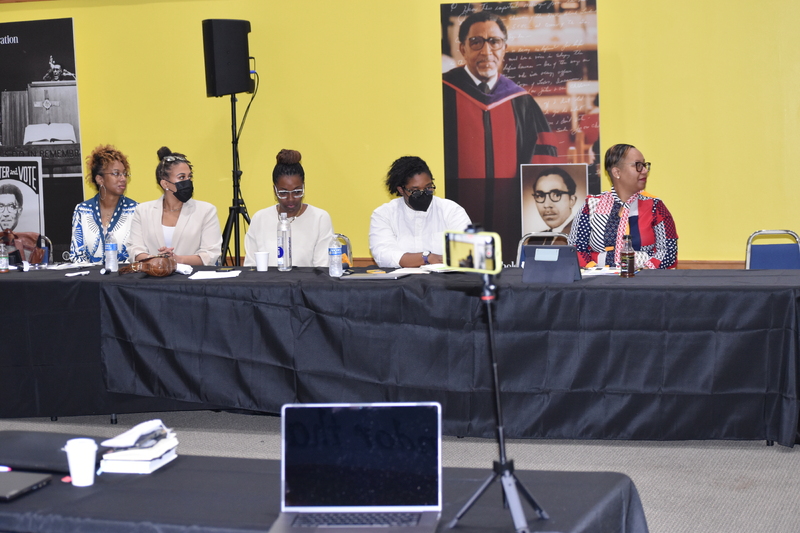
We were so excited to end Project STAND's first phase of community building at Arizona State University's Tempe campus. Here, we had conversations about Indigenous student populations and listened to examples of how students are participating in creating archives to preserve counter-narratives and how community archivists work collaboratively with information professionals at ASU.
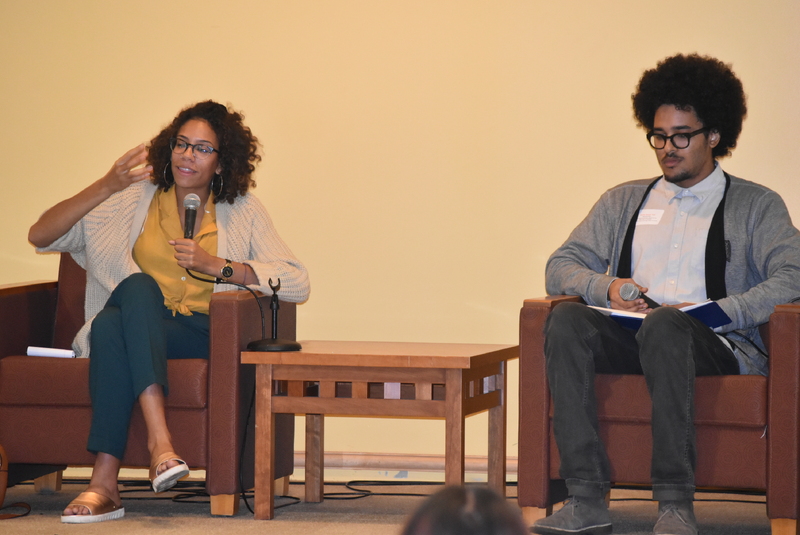
Program Booklet of Project STAND's Second Symposium where student panelists agreed to share their experiences through their lens as student organizers and their varying intersections of race, sexual orientation, and ethnicity. These conversations were valuable and we believe they serve as a catalyst for shifts in the praxis of information professionals, academics, historians, and technologists, and help provide a basis for community building across disciplines and with our historically oppressed student populations regarding documentaton of contested histories and contemporary movements.
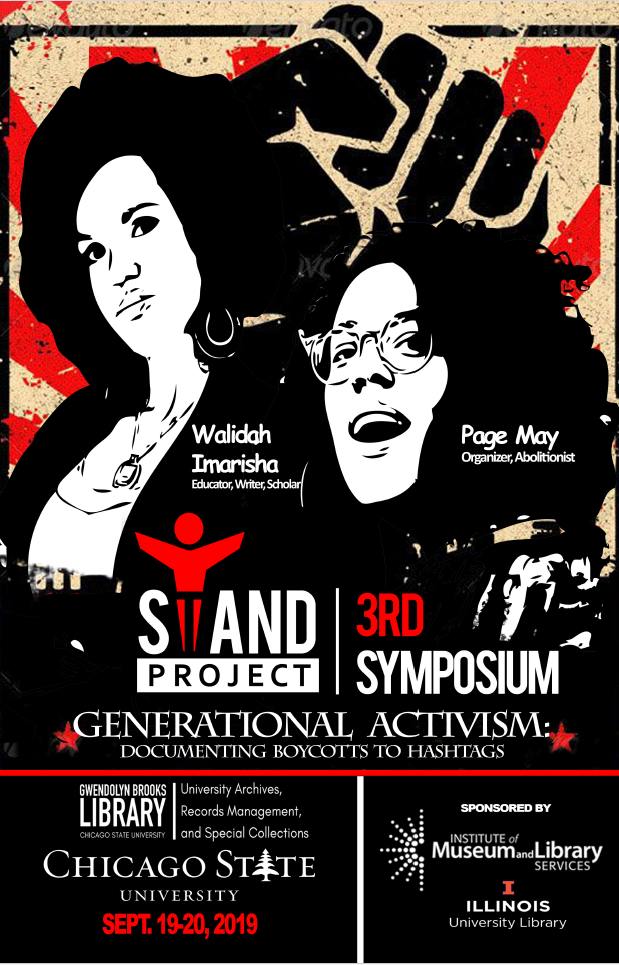
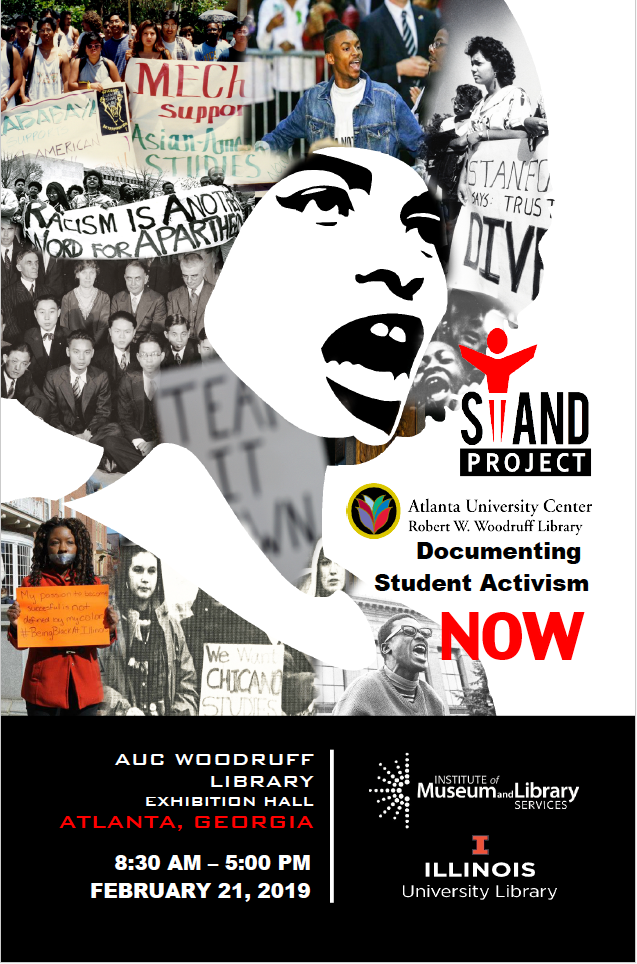
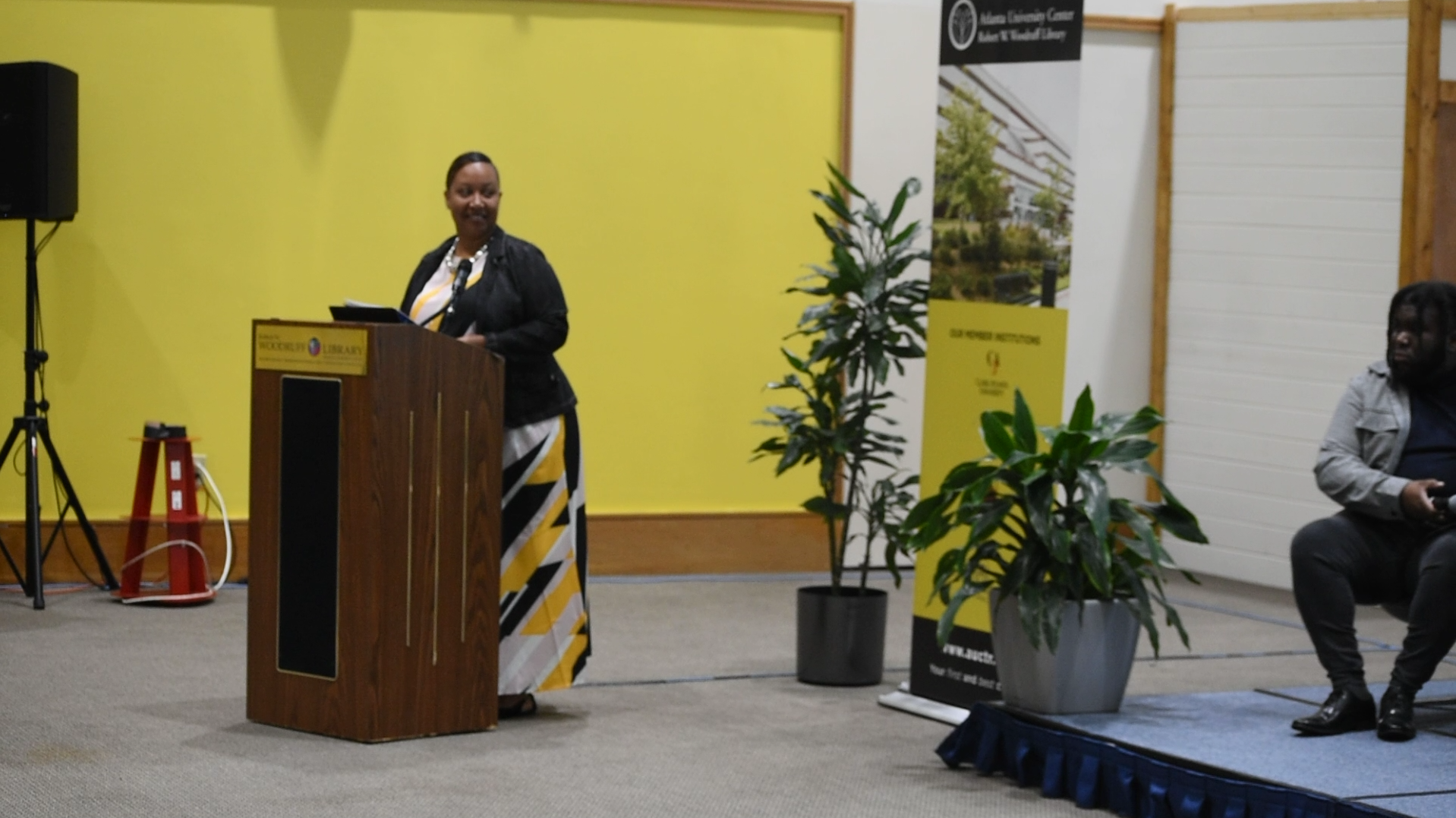
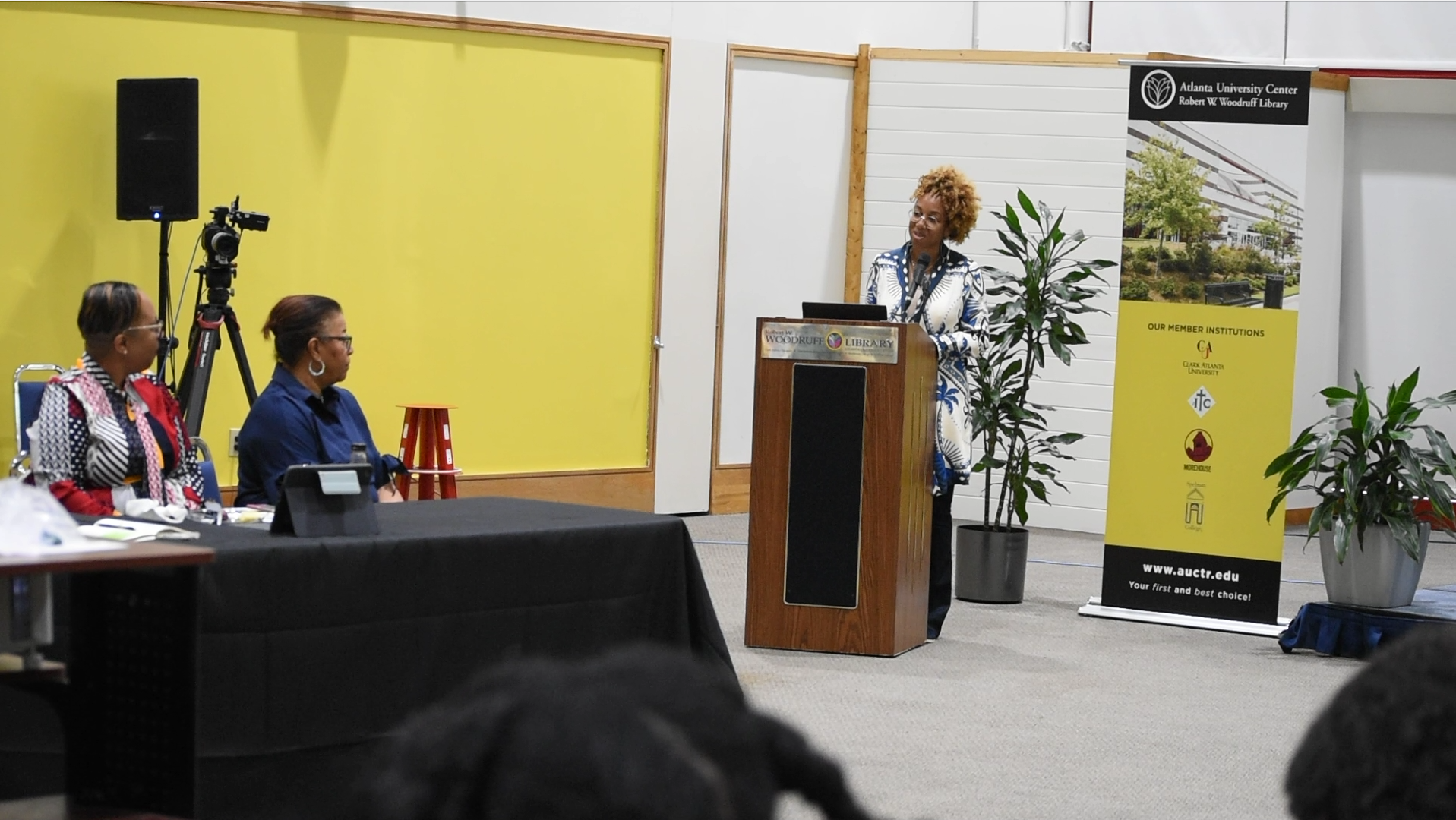
Program Booklet of Project STAND's first symposium was the first forum of a four-part series that began with a dialogue assessing the significance of documenting student activists within contemporary movements of social injustice impacting marginalized communities and with those directly engaging in this work—student activists. The first symposium was composed of three panels, primarily student leaders from various intersectionalities, who provided the context into why they have taken on activist labor and the challenges surrounding this role in academic structures.
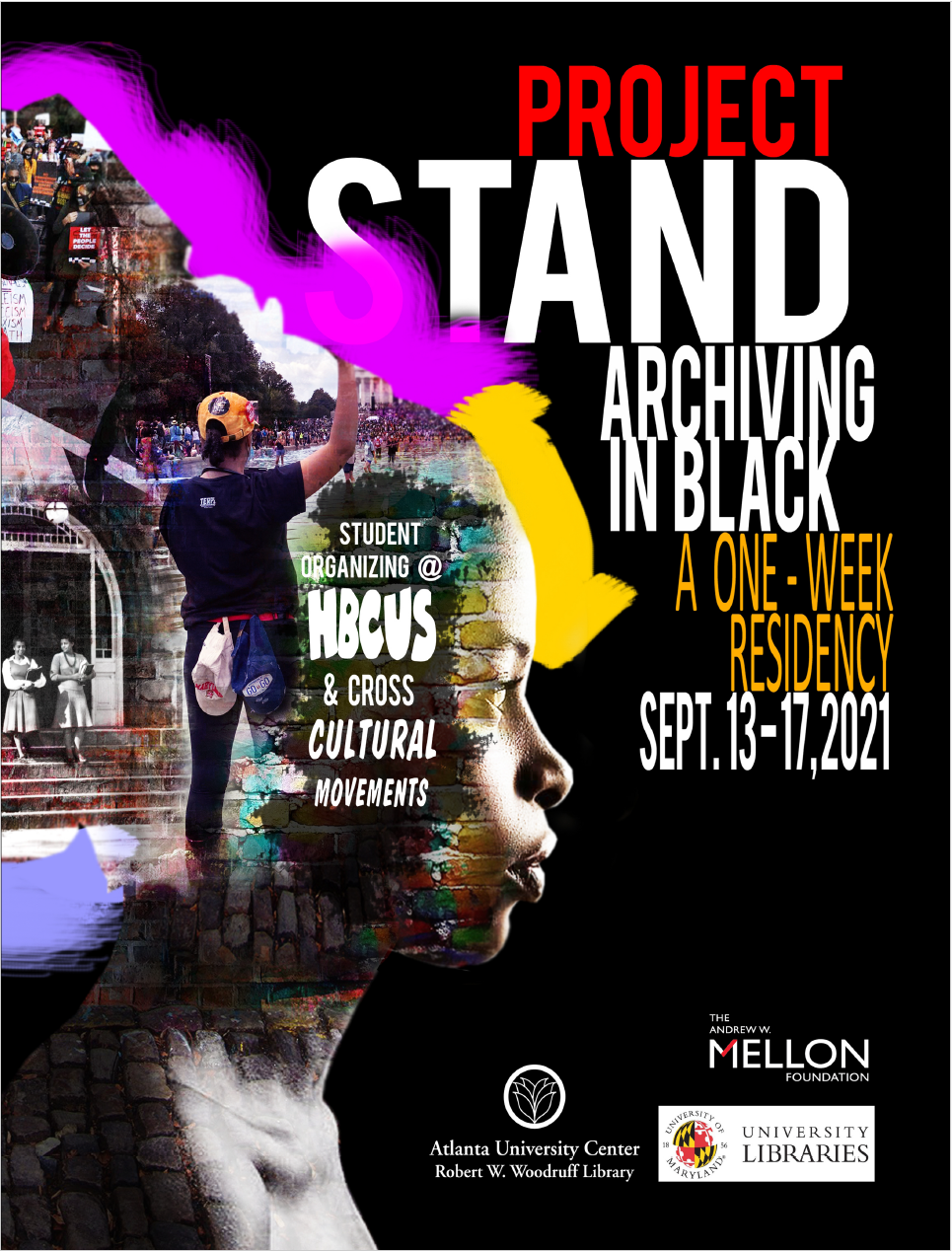
Program Booklet of Project STAND's Second Residency, which includes the schedule, acknowledgments of those involved with the event, and a preview of the list of guest speakers whose work focuses on archiving the humanity of the BIPOC community, including the joy, trauma, collective knowledge and experiences, intersectional existence, love, creativity, and everyday lives of members of the BIPOC community